
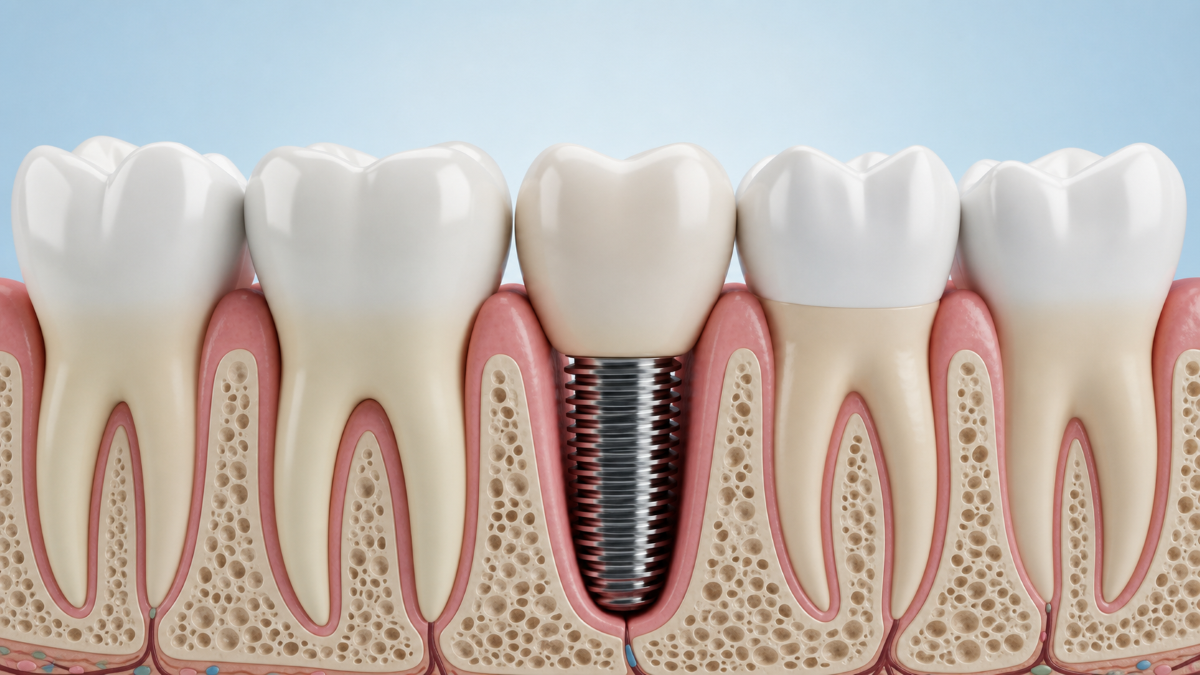
How long do dental implants last? Because the implant post is made of biocompatible titanium, a dental implant can potentially outlast a patient's lifetime. However, overall longevity depends on individual lifestyle, bite occlusion, oral hygiene, and bone health. Regular checkups and proper care ensure your restoration remains secure long-term.
4 Key Takeaways About Dental Implant Longevity
- Built for Life: Titanium implant posts fuse naturally with the jawbone and can potentially outlast your lifetime.
- Key Success Factors: How long can dental implants last depends heavily on your daily oral hygiene, bite occlusion, and jawbone health.
- Restoration Care: While the titanium post is permanent, the attached custom dental crown is monitored during checkups for long-term wear.
- Protection Against Grinding: Patients who grind their teeth can protect their implant and restorations with custom occlusal and night guards.
Understanding the Permanent Nature of Dental Implants
When evaluating tooth replacement options, durability is usually at the top of every patient's priority list. Missing a tooth affects how you chew, speak, and smile, so choosing a solution that stands the test of time is crucial.
Unlike traditional bridges or removable dentures, a dental implant is engineered to serve as a permanent artificial root. At Nobleton Dental Smiles, our dental team evaluates your unique oral health profile to ensure that your implant foundation remains stable, healthy, and functional for decades to come.
What Determines How Long a Dental Implant Lasts?
Patients frequently ask our team, "how long does a dental implant last?". Clinically, the titanium post itself has the potential to outlast the patient's life because titanium is biocompatible and does not decay. However, the long-term success of the complete implant structure depends on several critical factors:
1. Daily Oral Hygiene and Gum Health
Even though a dental implant cannot develop cavities, the surrounding gum tissues and underlying bone can still suffer from infection if plaque is allowed to build up. Maintaining a thorough home routine combined with regular dental hygiene care prevents gum inflammation and keeps the supporting bone structure strong.
2. Bite Occlusion and Lifestyle Habits
How your upper and lower teeth meet when you bite known as your bite occlusion plays a massive role in implant longevity. Excessive force from heavy clenching or teeth grinding (bruxism) can put unnatural strain on the implant restoration. In such cases, wearing a custom night guard helps protect your investment. Lifestyle factors such as smoking can also impair healing and compromise bone health.
3. Jawbone Density and Support
A dental implant relies on adequate jawbone support to remain firmly anchored. Prior to treatment, our dental team uses comprehensive examination and digital imaging to assess your bone volume, ensuring the site can support the post securely over time.
The Titanium Post vs. The Attached Crown
It is helpful to separate the two main parts of your implant when considering longevity:
- The Titanium Post: Placed directly into the jawbone, this artificial root fuses with your bone over time and can outlast your lifetime.
- The Dental Crown: The visible custom prosthetic tooth attached to the post is subject to daily chewing forces. The average lifespan of a dental crown (typically ranging from $2,200 to $2,500) depends on the chosen material, your bite forces, and your daily oral care. Your dentist will monitor your crown during routine visits and advise you if maintenance or replacement is ever required.
Caring for Your Implant: When to Monitor vs. When to Seek Care
Maintaining long-term success requires knowing what standard maintenance looks like compared to signs that require clinical evaluation. Use this guide to keep your restoration in optimal condition.
| Maintenance Aspect | Routine Care (Monitor & Maintain) | Clinical Assessment (Treat & Evaluate) |
|---|---|---|
| Daily Hygiene Routine | Brushing twice daily and flossing around the implant site to prevent plaque buildup. | Professional scaling and gum therapy if inflammation or deep pockets develop. |
| Bite & Occlusion | Normal chewing comfort with balanced bite forces across all teeth. | Fitting custom occlusal and night guards if you show signs of bruxism or jaw soreness. |
| Routine Checkups | Professional cleanings and visual exams every 3-6 months to monitor implant health. | Diagnostic x-rays to evaluate bone stability if discomfort or mobility occurs. |
| Prosthetic Wear | Minor cosmetic enamel wear on surrounding teeth over several years. | Assessing crown wear or replacement if the prosthetic chips or loosens under heavy bite forces. |
How to Maximise the Lifespan of Your Dental Implants
To help your dental implant last as long as possible, our clinical team recommends following these practical, evidence-based guidelines:
- Commit to Professional Cleanings: Schedule regular dental hygiene visits so our team can clean hard-to-reach areas and track your gum tissue health.
- Protect Against Teeth Grinding: If you clench or grind your teeth at night, use a custom-fitted occlusal guard to cushion the forces placed on your implant and natural teeth.
- Maintain Good Overall Health: Proper nutrition and avoiding tobacco products support healthy bone density and gum tissue integrity.
- Never Ignore Changes: If you feel any bite misalignment, sensitivity in the surrounding gums, or persistent pressure, contact Nobleton Dental Smiles promptly for an evaluation.
Frequently Asked Questions (FAQs)
Protect Your Investment and Your Smile
A dental implant is an incredible, permanent investment in your health and self-confidence. With expert placement, personalized aftercare, and routine checkups, your new tooth can serve you comfortably for a lifetime. If you are searching for dental implants near me, our compassionate team at Nobleton Dental Smiles is here to guide you through every stage of treatment.
Have questions about your smile?
Book a friendly consultation with our team — no pressure, just clear answers.
Written by Nobleton Dental Team